Category: News articles

Martec Achieves ISO 9001 Certification, Strengthening its Commitment to Quality and Engineering Excellence

Germiston, Gauteng – 21 July 2026 – Specialist engineering services company Martec has officially achieved ISO 9001 certification, reinforcing its commitment to delivering consistently high-quality engineering solutions, technical services and professional training to industrial clients across South Africa and beyond.

The internationally recognised certification confirms that Martec’s Quality Management System (QMS) meets the rigorous requirements of the ISO 9001 standard, providing clients with independent assurance that the company’s operations, project delivery and customer-focused processes are governed by globally accepted best practices. For organisations operating critical industrial assets, where reliability, safety and operational performance are paramount, the certification demonstrates Martec’s commitment to consistent service delivery, continual improvement and long-term client success.

“ISO 9001 certification represents far more than achieving an internationally recognised standard,” said Johannes Coetzee, Managing Director of Martec. “It validates the way we operate as a business. Every engineering project, every inspection, every training course and every client engagement is supported by disciplined processes that prioritise quality, accountability and continuous improvement. Ultimately, it’s our clients who benefit from that commitment.”

Unlike product certification, ISO 9001 evaluates the effectiveness of an organisation’s management systems. Achieving certification requires an extensive independent audit of business operations, including leadership, planning, operational controls, customer satisfaction, documentation, risk management, staff competency and continuous improvement processes. Maintaining certification also requires regular surveillance audits, ensuring organisations continue to meet the demanding requirements of the international standard.

Martec believes the certification will provide additional confidence for clients seeking trusted engineering partners capable of delivering consistent, repeatable outcomes across complex industrial environments. The certification supports every aspect of Martec’s operations, including specialist engineering consulting, predictive maintenance, condition monitoring, asset reliability services, technical compliance and professional training delivered through Martec Academy.

According to Coetzee, the certification formalises many of the quality disciplines that have been embedded within the company since its inception. “Quality has always been central to how we work. ISO 9001 simply provides independent verification that our internal systems meet internationally recognised standards. It gives our clients confidence that they are partnering with an organisation committed to continual improvement, transparency and delivering measurable value.”

For clients, the benefits extend beyond compliance. Structured quality management helps improve project consistency, strengthens communication, reduces operational risk, drives continual improvement and ensures customer feedback directly influences future service delivery. In industries where equipment reliability, workforce safety and operational uptime directly impact business performance, robust quality management provides a significant competitive advantage.

The certification also supports Martec’s continued growth strategy as the company expands its engineering services and develops Martec Academy, which provides specialist technical training in electrical, mechanical, condition monitoring and occupational health and safety disciplines. As industrial organisations increasingly seek suppliers with demonstrable governance and quality credentials, ISO 9001 certification further strengthens Martec’s position as a trusted engineering partner capable of supporting clients throughout the lifecycle of their critical assets.

The achievement reflects the dedication of the entire Martec team and reinforces the company’s commitment to delivering engineering excellence with integrity, consistency and professionalism.

About Martec

Martec is a South African engineering specialist providing condition monitoring, predictive maintenance, asset reliability, engineering consulting and technical compliance services to industrial organisations across multiple sectors. Building on more than two decades of practical engineering experience, the company also delivers specialist professional training through Martec Academy, bridging the gap between classroom theory and real-world field execution across the electrical, mechanical and occupational health and safety industries.

From the Field to the Classroom: Why Johannes Coetzee Founded Martec Academy

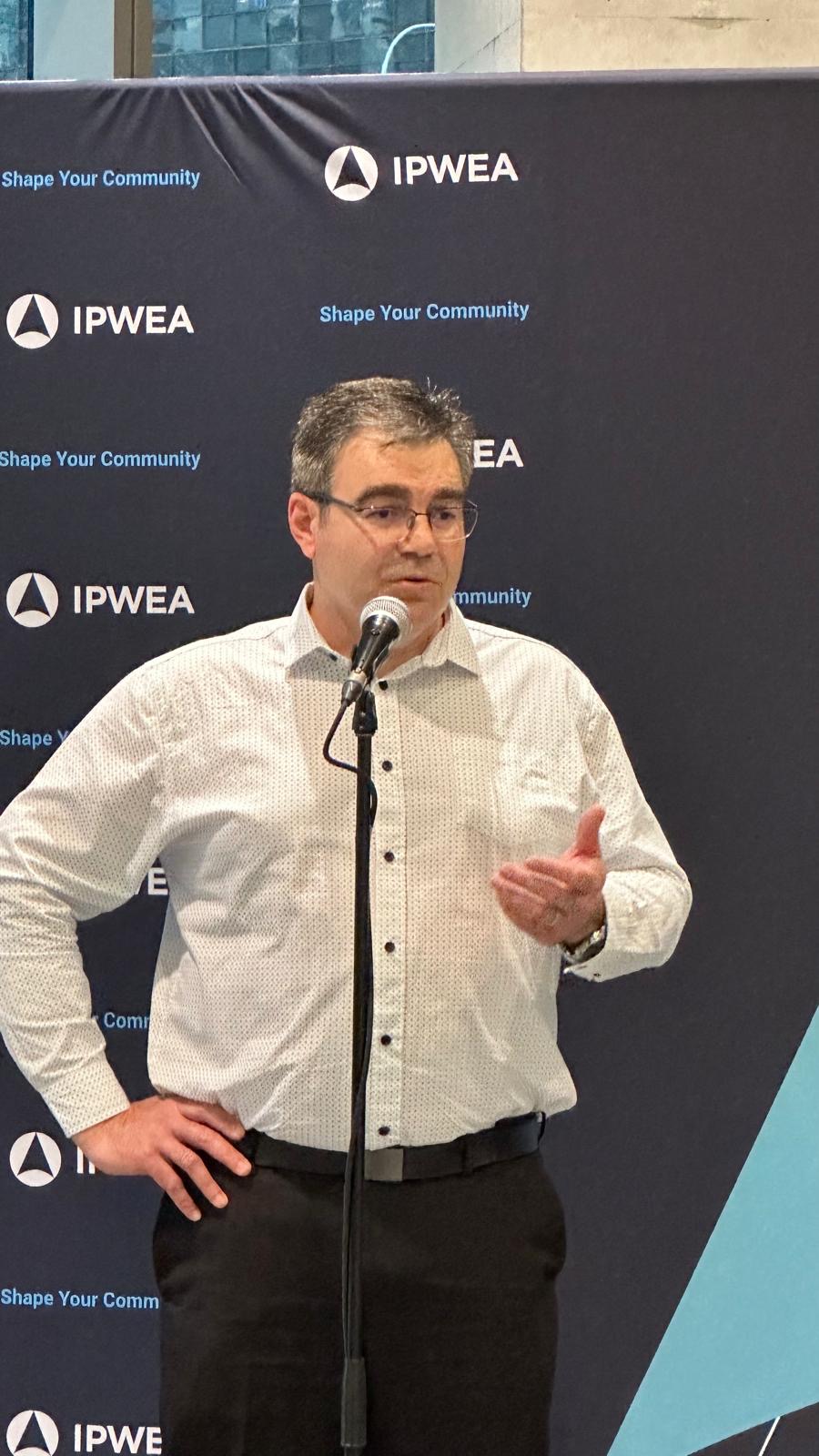
Johannes Coetzee

For more than two decades, Johannes Coetzee has spent his career solving some of industry’s toughest engineering challenges. As an industry leader, Asset Management Specialist, and the majority shareholder and Managing Director of Martec, he has built a reputation for delivering practical engineering solutions where reliability, technical excellence and safety are non-negotiable.

Today, that same philosophy is driving a new venture.

Martec Academy has officially launched with a clear mission: to make world-class technical training more accessible, more practical and more relevant to the realities of modern industry. For Coetzee, the decision was a direct response to a growing problem he had witnessed firsthand.

“We kept seeing the same challenge across industries,” says Coetzee. “Companies desperately need technically competent people, especially in the predictive maintenance field, but many simply cannot justify the cost of sending teams away for expensive, generic training that often lacks practical application. There had to be a better way.”

That realisation led Coetzee to go all in.

Following a successful management buy-out in which he acquired Pragma’s shareholding in Martec, he committed to investing heavily in building an academy capable of delivering specialist technical training that combines engineering expertise with affordability, accessibility and real-world relevance.

“Training shouldn’t be viewed as a compliance exercise,” he explains. “It should improve efficiency, reduce risk, protect lives and ultimately save businesses money. That’s exactly what we’ve built Martec Academy to do.”

Built by Engineers, for Industry

Unlike many traditional training providers, Martec Academy wasn’t created by educators looking to enter engineering. It was created by engineers who have spent decades working in power stations, mines, manufacturing facilities, utilities and heavy industry. The Academy draws directly on more than twenty years of practical engineering experience accumulated through Martec’s consulting and field services. Every course is designed around the realities technicians, artisans and engineers face every day.

“Our trainers have experienced equipment failures, investigated incidents, commissioned complex assets and solved real operational problems,” says Coetzee. “When they stand in front of a classroom, they’re teaching experience.”

Meeting a Growing Skills Crisis

Across South Africa and many international markets, organisations are facing increasing pressure. Industry assets are becoming more complex. Regulatory compliance requirements continue to expand. Experienced technical professionals are retiring faster than they can be replaced. At the same time, many businesses are under pressure to reduce operational costs while maintaining the highest possible safety standards.

Martec Academy was established specifically to address this challenge. The Academy offers specialist training across electrical, mechanical and occupational health and safety disciplines, including:
● Condition Monitoring
● Vibration Analysis
● Partial Discharge Detection
● Occupational Health and Safety Compliance
● Hazard Identification and Risk Assessment (HIRA)
● Legal Liability
● Working at Heights
● Firefighting
● Custom plant-specific technical programmes

Rather than offering generic, one-size-fits-all courses, programmes can also be customised around an organisation’s specific equipment, operating procedures and risk profile.

Flexible Training That Works Around Industry

Recognising that taking operational staff off-site for extended periods is often impractical, Martec Academy offers multiple delivery models. Training can be presented:
● At the client’s premises
● In instructor-led classroom sessions
● Through practical hands-on workshops
● Via online digital learning
● Using blended learning programmes that combine multiple approaches

“Our objective is simple,” says Coetzee. “We make training work for the client—not the other way around.”

A Team That’s Fully Invested

Although Martec Academy carries Coetzee’s vision, he is quick to point out that its strength lies in the people who have chosen to build it with him.

“We’ve assembled an exceptional team of specialists,” he says. “Every member of our team believes in what we’re building. They genuinely want to raise technical standards across industry.”

Many of the Academy’s instructors continue to work on live engineering projects, ensuring the knowledge delivered in the classroom remains current and immediately applicable.

“It’s a hardworking team,” says Coetzee. “Everyone has rolled up their sleeves. Everyone is invested. Everyone understands that if we’re going to improve safety and technical competence, we have to earn our reputation every single day.”

Bridging the Gap Between Theory and Live Field Execution

At its core, Martec Academy exists to bridge one of industry’s biggest challenges—the gap between theoretical knowledge and practical field execution. That philosophy is captured in the Academy’s guiding principle:
Bridging the gap between theory and live field execution.

Every programme is designed to equip technicians, artisans, supervisors and engineers with skills they can apply immediately in their working environment.

As Coetzee concludes:
“Our responsibility goes far beyond delivering a certificate. When someone leaves one of our courses, we want them to walk onto site more confident, more competent and better equipped to protect both people and critical assets. If we achieve that, we’ve succeeded.”

With enrolments now open, Martec Academy is positioning itself as a new generation of technical training provider—one built by industry, for industry, and committed to developing the skilled workforce that modern engineering demands.

Switchgear Monitoring: Enhancing Asset Performance and Reducing Risks

In modern industry, where efficiency and risk mitigation are paramount, the monitoring and maintenance of critical assets stand as a cornerstone of operational success. Among these assets, medium to high-voltage switchgear is pivotal, safeguarding essential electrical systems within facilities. Ntokozo Nkosi, the Data Centre Manager at Martec, offers insights into the intricate world of switchgear monitoring and the indispensable role it plays in ensuring operational continuity.

At the heart of Martec’s approach lies a profound understanding of the imperatives driving modern organisations: achieving optimal asset performance while minimising costs and risks. Nkosi elucidates, “To create a real competitive advantage, an organisation must achieve optimum performance from its asset base while reducing costs and risks. Martec understands this uncompromising need and has developed a functionally rich portfolio of solutions for organisations wanting to take up this challenge.”

Switchgear, with its intricate components and critical function, demands meticulous attention. Nkosi delineates the anatomy of switchgear, highlighting its three primary sections: the cable termination points, the circuit breaker compartment, and the bus bar sections. Partial discharge (PD) is particularly concerning, a phenomenon implicated in approximately 85% of switchgear faults. Understanding the nuances of PD is imperative for effective monitoring and maintenance strategies.

Nkosi expounds on the diverse origins of PD within switchgear. Conductive contamination, foreign objects, humidity, and moisture ingress can lead to surface tracking discharges, resulting in electrical treeing and insulation degradation. Contact type discharges or partial arcing, a term coined by Martec, manifest as localised electrical discharges at interfaces within the switchgear. These discharges can stem from various issues, including lousy circuit breaker contacts and inadequate air gaps.

Terminations, crucial connection points within switchgear, are particularly susceptible to PD activity due to installation challenges and environmental factors. Nkosi underscores the importance of meticulous installation, highlighting that it is not just a task but a critical step to prevent internal PD activity and maintain operational integrity.

When PD activity is detected, crucial questions arise, necessitating advanced technologies for accurate diagnosis and remediation. Martec, with its proactive approach, employs the Partial Discharge Frequency System Analyzer (PDFSA), a cutting-edge technology that identifies, locates, and quantifies electrical discharges within switchgear and terminations. This sophisticated tool enables analysts to discern PD activity’s type, location, and severity, facilitating informed decision-making regarding maintenance and repair.

Nkosi sheds light on the intricacies of PDFSA, elucidating its methodology and capabilities. By capturing PD pulses with a wide frequency range of up to 200MHz, PDFSA enables analysts to discern between internal PD, tracking, contact, and corona discharges. Through meticulous analysis of frequency domain spectra, analysts can pinpoint the source of PD activity within the switchgear assembly, empowering proactive maintenance strategies.

In addition to PDFSA, Martec leverages advanced technologies to separate background noise from actual PD patterns, further enhancing diagnostic accuracy and efficacy.

In conclusion, the monitoring and management of switchgear represent a critical imperative for organisations seeking to optimise asset performance and mitigate operational risks. Through deploying advanced technologies and meticulous diagnostic methodologies, Martec stands at the forefront of innovation, empowering organisations to navigate the complexities of switchgear maintenance with confidence and precision.

Maximising Asset Reliability: The Power of Condition Monitoring

In today’s fast-paced industrial landscape, ensuring the reliability of assets is paramount for smooth operations and sustained productivity. To shed light on this crucial aspect, we delve into the world of condition monitoring with Mpho Sekgetho, a seasoned Mechanical Inspector, as our guide.

Vibration analysis stands at the forefront of condition monitoring practices, serving as a beacon for identifying potential issues within machinery and structures. As Mpho explains, this process involves meticulously monitoring vibration signals to detect anomalies and assess overall health. It’s akin to listening to the heartbeat of equipment, providing insights into its inner workings and potential vulnerabilities.

Vibration analysis finds widespread application across industries spanning mining, manufacturing, petrochemicals, aviation, and transportation. From conveyors and pumps to gearboxes and fans, any equipment with bearings can benefit from this proactive approach to maintenance.

But how do maintenance professionals determine which equipment warrants specific monitoring techniques? Mpho emphasises the importance of techniques like Failure Modes and Effects Analysis (FMEA) in systematically evaluating processes and identifying potential failure points. By understanding the P-F Curve, maintenance teams can pinpoint optimal intervals for conducting Condition-based Maintenance (CBM), ensuring timely interventions to prevent costly downtime.

Implementing a robust workflow for achieving asset reliability through condition monitoring is essential. It starts with planners creating job cards for vibration analysis, followed by engineering teams receiving reports and planning corrective maintenance based on the findings. This proactive approach ensures plant reliability, optimises maintenance schedules, and enables data-driven decisions to maximise asset performance.

To illustrate the effectiveness of condition monitoring in practice, Mpho shares a compelling case study. Consider Site A, where periodic vibration analysis using advanced analysers with AI-guided reporting has enabled proactive maintenance, minimising downtime and optimising operations. Meanwhile, Site B utilises a range of monitoring sensors to predictively monitor critical machinery, resulting in substantial cost savings and enhanced operational efficiency.

Embracing proactive monitoring techniques like vibration analysis isn’t just about preventing breakdowns—it’s about optimising asset performance, ensuring reliability, and driving efficiency across industries. Organisations can safeguard their assets and propel their operations towards unparalleled success by integrating a robust condition monitoring strategy into maintenance regimens. After all, reliability starts with proactive monitoring.

Ensuring resilience: Navigating transformer risks through advanced monitoring and IoT implementation

Embracing innovation in transformer management

Critical infrastructure management has leapt forward in an era dominated by technological advancement – and transformers are no exception. Gone are the days of relying solely on reactive maintenance, as integrating risk assessments, online monitoring, and the Internet of Things (IoT) promises a new dawn for transformer management. As we delve into the intricate world of transformers, we uncover the pivotal importance of tracking asset and condition risk, shedding light on achieving the elusive goal of 100% uptime.

I. The dual frontier: Asset risk and condition risk

Navigating the terrain of transformer management requires addressing two distinct yet interconnected facets: asset risk and condition risk.

Asset risk

Transformers represent substantial investments in any power infrastructure. Ensuring their longevity and optimal performance is paramount. Asset risk encompasses the probability of:

  • a safety incident occurring (if power is lost for more than 24 hours)
  • associated financial loss
  • environmental risk
  • contingency design (N minus 1 contingency and alternative back feed options)
  • strategic spare unit availability
  • repair capability and time frame
  • a transformer’s lifespan, considering age, design, and maintainability factors.

In this context, asset risk refers to the potential financial jeopardy from the loss of power to critical plant and is tied to the entire lifecycle of a transformer. This evaluation considers the transformer’s age, design intricacies, substation design and network interconnectivity. Practical asset risk assessment involves meticulously analysing historical data to discern network performance patterns or susceptibility to faults affecting the transformer and the equipment it supplies. In essence, it is the examination of the unavailability of that power source and the consequences of the absence of the power source.

Condition risk

Condition risk focuses on the internal health of transformers in the short- medium- and long-term. Oil-filled transformers are very forgiving and can operate under severe neglect. Neglected and often overlooked maintenance practices lead to costly breakdowns and lengthy service interruptions or repairs that require the transformer to be removed from service and shipped to a repair facility. Frequently, the shipping cost alone is very costly. It is when the transformer has been neglected that unexpected failures occur. These instances can lead to dire consequences, such as fires and the destruction of other equipment!

In the operation of these transformers, some condition parameters take many years to manifest or become apparent. Some take several months to change, and others mere minutes or seconds to occur. The latter set of condition parameters are the parameters every transformer operator or owner needs to monitor more intensely. Traditionally, a transformer’s “lifeblood” (aka oil or insulating fluid) is used to detect these condition changes.

Focusing on the more short-term condition is the breakdown of the fluid into gases that can be extracted from a transformer’s fluid body and chemically analysed. These gases can show several other conditions with different interpretation tools (eg Duval triangle, Duval pentagram, gas ratios). These parameters are often used as a gauge for the internal condition of the transformer. However, a thermometer only tells one what the temperature is and, in essence, cannot tell what the illness is. The use of computer databases can assist in extracting the correct data and forming a picture of the transformer’s health.

Considering the above, it is necessary to understand that there is a process of acquiring the data from the analysis. This process is often flawed and takes up to two months to obtain.

Enter the realm of online monitoring – an innovation that is pivotal in transformer management. By deploying online devices such as online DGA (dissolved gas analysis), dielectric, bushing and tap-changer monitors and harnessing the power of data analytics, online monitoring unveils a faster cycle into the transformer’s inner workings. For instance, a sudden spike in the gases beyond established thresholds could indicate a partial discharge, arcing or overheating issues, or a dip in oil quality might hint at an element of neglect and have a long-term impact on insulation degradation. From a bushing monitoring aspect, a shift in the tan delta measurements could show that a bushing is about to fail. A tap changer monitor can highlight added stress on the on-load switching device and cause premature failure. Additionally, oil quality irregularities could point towards loss of insulation capability and longer-term damage to the paper insulation, impairing the transformer’s ability to withstand the network variations and through fault instances. The value of this approach lies in its proactive nature.

Detecting these anomalies at their developing stage empowers utilities to initiate targeted interventions, preventing the domino effect of catastrophic failures and fortifying the overall robustness of the system against unexpected adversities. Higher instances of network disturbances such as cable theft, loadshedding, short circuits and overloading all affect the transformer’s reliability.

II. The digital vanguard: Online monitoring and IoT implementation

Online monitoring

Online devices strategically placed within a power delivery system network relay vital data to central control centres, where advanced algorithms decipher the information, enabling better predictive maintenance and swifter response to deviations from the norm. This intime vigilance transforms risk management from a guessing game into an informative science and resilient supply network.

These online devices meticulously collect a wealth of critical data, ranging from moisture-in-oil and temperature variations to dissolved gas composition nuances and bushing condition intricacies. This wealth of information embarks on a swift and seamless journey from devices to cloud-based applications to dashboards. It has algorithms to decipher the incoming data, unveiling patterns hidden from the naked eye. Enabling enhanced engineering decisions to safeguard the operations under normal and adverse operating conditions when needed, thus delivering the best short- and long-term performance.

Let’s step into a real-world scenario within a plant where the delivery of electrical power is vital. A transformer monitored by its intricate set of devices is available and able to supply the demand needed to ensure the plant delivers. On a typical busy day, soaring electricity demand prompts devices to detect and flag abnormal strain on components, signalling a potential power failure. Swiftly, crucial data is sent to a cloud-based dashboard, where advanced algorithms promptly identify an anomaly and track development. Production is critical, and power loss to the plant would be detrimental to the output of the plant. The proactive response isn’t just immediate; it’s part of predictive maintenance, leveraging data mining of historical and intime data to anticipate issues. Having both the network, asset and condition risk at hand enhances the ability to shift power flow from one network to another or an alternative supply.

What was once a guessing game, where maintenance decisions were based on a mix of historical practices and intuition, has now transmuted into an engineered solution. With its synergy of monitors, data analytics, and predictive algorithms, online monitoring can breathe life into proactive risk management.

Holistically, the risk model and the data associated with the risk data assist in forming a picture of where to spend the maintenance budget wisely, thus getting the best reliability from the power plant assets employed. Ultimately getting both performance when needed and return on investment optimised.

IoT Implementation

Before venturing into an extensive solution, it is best to consider the transformer’s network and the equipment it supplies power to. Much of the decision will be based on the importance of the equipment or processes provided by that transformer. As an example, consider a transformer that supplies power to a furnace. If the power transformer feeding that furnace were to stop functioning, the processes reliant on that hot metal would be without material to produce the end product. Again, in a different context, if the transformer supplied power to 200,000 households or businesses, those households and businesses would cease to function normally, plus the associated loss of revenue. Generally, the operation of the transformer in its environment and supplied load (typically the processes or customers) needs to be the focus of the asset risk. Setting up the correct asset risk evaluation is invaluable in understanding which asset needs to be monitored closely and more frequently.

Once the asset risk is determined, the condition risk can be used as a final step in the process. Taking the assets with the highest asset risk and using the condition risk to tweak the list to indicate which assets deserve closer scrutiny and enhanced monitoring. The asset highlighted in the analysis would be the best candidate to apply the IoT technology.

With the appropriate monitors, these transformers can provide reliable data that can be sent to the decision-making engineers, sharing intricate insights about the transformer’s health. For example, a transformer detects a surge in demand as factories ramp up production during the day. This information is published to a dashboard, allowing Operations to proceed with the comfort of knowing the power delivery system is stable and they can see the production run to its completion.

III. Pinnacle of reliability

The pursuit of perfection

The quest for 100% uptime may sound utopian. However, with IoT implementation, utilities can proactively address potential issues before they snowball into crises by having the details of network- and asset risk combined with sound condition data, allowing the system to operate at its peak. Predictive maintenance, guided by data-driven insights, minimises downtime and maximises efficiency.

Synergy in action

The synergy between asset risk evaluation and condition risk monitoring is the cornerstone of continuous power. As plant owners refine their risk assessment strategies, they align maintenance schedules with intime condition updates, ensuring that transformers are optimised for performance throughout their lifecycle.

Illuminating the future of transformer management

The combined force of network risk assessments, online monitoring, and IoT implementation to communicate the data is revolutionising transformer management. The importance of tracking assets and their condition risks cannot be overstated. The amalgamation of these cutting-edge technologies enables transformer owners to proactively safeguard transformers, minimising disruptions and inching closer to the coveted 100% uptime.

To read more about our transformer monitoring services, click here.

 

Unleashing reliability: Overcoming power challenges with transformer condition monitoring and the journey to 100% uptime

In today’s rapidly evolving asset management arena, achieving 100% uptime for critical systems is no longer an unattainable dream but an essential and formidable challenge, especially in regions grappling with adverse infrastructure conditions. In South Africa, engineering managers face the daunting task of maintaining an uninterrupted power supply amidst unreliable infrastructure and frequent power outages. As we build upon our previous article discussing the quest for uptime with switchgear, we now focus on the indispensable role of transformer technologies in delivering stable and efficient power to critical loads. This article will explore the importance of condition monitoring technologies for transformers and how they stand as stalwarts in achieving the elusive 100% uptime. From embracing smart transformers to harnessing advanced predictive maintenance tools, we will delve into the latest trends and best practices in transformer technology. We aim to equip engineering managers with invaluable insights to overcome challenges, stay ahead of the curve, and ensure relentless power reliability in the face of ever-changing conditions.

The evolution of transformer technologies

Over the years, transformers have profoundly evolved from traditional static devices to intelligent, connected assets. The advent of smart transformers has been a game-changer in the power industry by incorporating digital intelligence, enabling intime monitoring, analysis, and control. These smart transformers offer remote monitoring, diagnostics, load management, and other capabilities. Communicating and exchanging data with the grid optimises energy distribution, mitigates faults, and enhances overall system reliability.

The significance of remote monitoring in transformer health

Due to the high cost of replacement, removal from service and repair, remote monitoring has emerged as a cornerstone technology towards achieving 100% uptime with transformers. This approach entails the utilisation of sensors, data analysers, and IoT devices to continuously monitor crucial parameters such as temperature, current, voltage, online partial discharge, dissolved gases and dielectric condition. With intime data collection and analysis, valuable insights are gained into the transformer’s health and performance, allowing prompt detection of anomalies and potential issues. By taking proactive measures through remote monitoring, unplanned downtime can be minimised, and critical systems can be kept operational and reliable.

Leveraging predictive maintenance with data analytics and machine learning

Predictive maintenance strategies have fundamentally altered the management of transformers. We can anticipate potential failures and implement timely maintenance actions by harnessing the power of data analytics, machine learning algorithms, and historical performance data. This approach minimises downtime and extends the equipment’s lifespan, leading to significant cost savings and reduced risk associated with unexpected breakdowns. Predictive maintenance ensures that maintenance efforts are targeted and efficient, maximising transformer uptime, maintenance costs and performance.

Four fundamental condition monitoring technologies for transformers

  • Dissolved gas analysis (DGA): DGA is a powerful technique to detect and diagnose potential faults within transformers. DGA is a degenerative condition which can provide critical information about incipient faults such as overheating, arcing, and insulation degradation by analysing the gases dissolved in transformer oil. Early detection through DGA allows timely maintenance to be planned proactively, preventing catastrophic failures and ensuring the longevity of the transformer.
  • Partial discharge (PD) monitoring: PD monitoring is an effective method for assessing the condition of transformer insulation. PD events are precursor indicators of insulation degradation and can lead to catastrophic failures if left unaddressed. By deploying in tank and bushing PD monitoring systems, PD activity can be detected, monitored and analysed, allowing corrective actions before significant damage occurs.
  • Bushing monitoring: Transformer bushings are vital components that connect the transformer windings to the external network. Monitoring the bushings can help identify issues such as degenerative conditions and insulation breakdown, impacting the transformer’s performance and reliability.
  • Temperature and hot spot monitoring: Continuous temperature monitoring of critical transformer components, including windings and core, is crucial for early detection of overheating, overloading and insufficient cooling. With an early warning of temperature rise and increased loading, additional cooling being implemented can increase the transformer’s return on investment by reducing the thermal stress placed on the paper insulation system. Engineering managers can set preventive measures to avoid thermal stress and potential failures by monitoring temperature trends and selecting additional cooling earlier to reduce oil/paper insulation system stress.

What risks can remote monitoring avert at a power plant?

By employing remote monitoring technologies, we gain valuable insights into the transformer’s health and performance, mitigating various risks that could compromise the plant’s operations. For instance, temperature sensors are instrumental in detecting hot spots (especially under adverse conditions) within the transformer, which may indicate issues like insulation degradation, overloading, thermal faults, or the collapse of the dielectric fluid. Early detection of these condition-related attributes enables engineers to take engineered decisions and prompt action, such as implementing additional cooling measures, adjusting loading, or evaluating distribution parameters. These measures will prevent further damage and ensure uninterrupted operation. Additionally, remote monitoring through moisture, dielectric strength, gassing and oil condition helps detect a deteriorating internal environment within the transformer. Such anomalies may signal loose connections, winding issues, or impending insulation failures. Timely detection of these issues allows for proactive maintenance, reducing the risk of transformer failures, electrical faults, and unplanned downtime.

With condition monitoring technologies in place, power plant operators can ensure the longevity and reliability of their transformers, enhancing overall power system resilience and minimising potential disruptions.

Staying ahead of the pack

Engineering managers must continuously embrace innovations and best practices towards achieving 100% uptime and staying ahead of the competition. Incorporating redundancy and backup systems, implementing comprehensive testing and training programmes, and adopting cutting-edge condition monitoring technologies are essential to ensuring critical systems remain operational, even in challenging conditions. Staying updated with the latest advancements in transformer technology enables optimised performance, reduced operating costs, and a competitive edge in the industry.

The importance of condition monitoring technologies for transformers cannot be emphasised enough. With the integration of smart transformers, remote monitoring, and advanced predictive maintenance tools, achieving 100% uptime is within reach. The proactive condition monitoring approach ensures critical systems’ smooth and reliable operation and offers significant cost savings and reduced risk of repairs and unplanned downtime. By staying ahead of the curve and leveraging the best condition monitoring technologies, engineering managers can achieve their goal of 100% uptime, securing the success and sustainability of their operations in today’s dynamic power landscape.

Read more about our intime monitoring and analysis service solutions for transformers here.

When transformer failure could set you back R1.4 million an hour – a motivation for online condition monitoring dissolved gas analysis

In the mining industry, the numbers are big. In monetary terms, the consequences of failure on critical assets can quickly run into the millions. Conversely, the value-add of effective online gas analysis monitoring on transformers will have a positive impact and improve the return on investment of critical assets.

We recently completed the installation of the first single DGA (dissolved gas analysis) unit that monitors three transformer tanks at a client in the mining sector – a great milestone for Martec and South Africa, with this being the first installation of MTE’s Hydrocal H1008-3 DGA monitor. In this article, we look at the importance of transformer monitoring and the role and benefit of online DGA.

Comparing offline periodic and online continuous conditioning monitoring DGA

Traditionally a routine oil sample would be drawn and sent to an analysis laboratory for chemical analysis. This process can take up to a month to complete to have results that can be analysed. These samples are normally done annually; thus, there is only one set of data per year to determine the health status of a transformer. One must ask whether this data is enough to diagnose a pending problem. In essence, the answer is no.

Adding to the above, the manual sampling for DGA, a typically short-term health parameter, is often flawed. It takes a trained sampler to follow each step of the tedious process precisely and to take a representative sample using the correct container before taking it to a laboratory that is competent to do the analysis. The diagnosis is only as good as the sample taken.

In this instance, the client would lose approximately R1.4 million an hour if any of the transformers failed, and reliability with an online DGA monitor was paramount.

With online monitoring, the sample is reliably taken, analysed, and results are made available in a comparatively short amount of time (typically down to one or two hours, depending on the unit deployed and the setup of the online unit).

Can you ever have too much data?

When it comes to transformers, the short answer is no. With a DGA online monitor there is far more data to analyse through trends allowing us to identify a developing problem on a transformer. DGA is the best short-term solution for transformer condition monitoring in that other parameters can take months to develop, but DGA can occur in seconds, minutes, hours, or days. From the data derived from the unit, better decisions can be made on the unit’s health, especially when the risk of failure has catastrophic consequences.

Condition monitoring: value

In this case, the MTE Hydrocal unit (H1008-3) installed measures seven of the gases and moisture in the transformer; thus, with this type of unit it is possible to use the data for all of the values that are most desirous in condition monitoring:

  • Value 1 | Detection – a measured parameter has been exceeded
  • Value 2 | Monitoring – a trend can be produced to determine the rate at which the parameter is rising
  • Value 3 | Diagnostic – a combination of the parameters is used to predict a condition or fault that is occurring

All three values allow the Engineering and Maintenance teams time to plan and safely remove the unit from service for inspection and repair.

Transformer fleet risk analysis

Before applying online monitoring, conducting a transformer fleet risk analysis is best to determine which units are suitable for online monitoring. There are numerous criteria that need to be taken into consideration, and the use of the current sample results data to determine the current health status of the units within the fleet. By conducting transformer fleet risk analysis, organisations can make informed decisions about maintenance strategies, investments, and resource allocation to optimise the reliability and performance of their transformer fleet while minimising potential risks and associated costs.

Read more about our transformer monitoring service here.

100% uptime with your switchgear? Impossible dream … or a new reality?

Engineering managers in South Africa have their work cut out for them when it comes to achieving 100% uptime for their MV switchgear. They face a daunting task with an infrastructure that has to withstand unreliable and frequent power outages that play havoc with critical systems. Most MV switchgear systems are designed for long or continuous operation and not for the on /off situation caused by loadshedding. However, various technologies are available to ensure that switchgear remains operational – from remote monitoring to predictive maintenance and backup systems. These tools can become a formidable arsenal to help to keep systems running smoothly, even in the most adverse conditions.

Remote monitoring is one of the most critical technologies for achieving 100% uptime with switchgear. With remote monitoring, you can keep a close eye on systems at all times, allowing quick detection of any issues that arise and taking corrective action before they become serious problems. Remote monitoring can be especially beneficial for plants in remote or hard-to-reach areas.

The power of remote monitoring

Remote switchgear monitoring typically involves sensors, data analysers, IOT monitoring devices and software for realtime data collection and analysis. This technology enables monitoring of critical parameters such as temperature, current, and voltage. More often these days – online partial discharge monitoring of busbar, breakers, cable terminations and cables and receiving alerts when these readings exceed predefined thresholds. In addition, remote monitoring solutions often include advanced analytics capabilities, such as machine learning algorithms, that can detect patterns and anomalies in the data that may indicate potential issues. Leveraging these technologies can proactively identify and address problems before they cause downtime or operational disruption.

A multi-sensory approach

Switchgear can be equipped with various types of sensors to monitor different aspects of its performance. For instance, temperature sensors can detect overheating in circuit breakers, transformers, or other components, indicating potential failures or other issues. Current sensors can measure the electrical current flowing through different switchgear parts, providing valuable energy consumption and performance data. Voltage sensors can monitor the voltage levels at various points in the system, helping to identify any irregularities that could lead to malfunctions or damage. Other types of sensors used in switchgear include partial discharge gas pressure (SF6), humidity, and gas sensors, which can detect leaks or other abnormalities that could pose safety risks to staff or compromise the reliability of the equipment.

Typical switchgear failures and the technologies used to prevent them

  • Partial discharge / Arcing and tracking: Cause significant damage to switchgear components and increase the fire risk and safety to staff in the substation environment. Technologies used: ultrasonic monitoring, infrared thermography, partial discharge analysis/monitoring.
  • Contacts erosion: Contacts in switchgear can wear out over time, leading to increased resistance and decreased performance. Technologies used: partial discharge monitoring, ultrasonic monitoring, resistance monitoring.
  • Insulation breakdown: Insulation breakdown can cause damage to switchgear components and increase the risk of electrical faults. Technologies used: partial discharge monitoring, insulation resistance monitoring, ultrasonic monitoring, thermal imaging.
  • Corrosion: Causes damage to switchgear components and increases the risk of electrical faults. Technologies used: ultrasonic monitoring, visual inspection, electrochemical impedance spectroscopy (EIS), and corrosion monitoring sensors.
  • Mechanical failures: Occur on switchgear components leading to reduced performance and increased downtime. Mechanical failures can be prevented by monitoring the condition of switchgear components, detecting issues early on, and performing maintenance to extend the life of switchgear components.

A comprehensive view of the switchgear’s condition is obtained using these tools and technologies, and predictive maintenance comes to the fore. Thus, we can prevent failures before they occur with proactive steps to optimise performance, minimise downtime, improve equipment reliability and minimise the risks associated with equipment failure.

Predictive maintenance strategies

In addition to these technologies, several other strategies come into play to achieve that elusive 100% uptime with switchgear. For example, one can implement redundancy and backup systems to ensure critical systems remain operational even if one component fails. Comprehensive testing and training programmes can be implemented to ensure staff can quickly and effectively respond to any issues. For example, we consider what risks condition monitoring can avert in a power plant.

What risks can remote monitoring avert at a power plant?

Condition monitoring is critical for ensuring safe and reliable switchgear operation at a power plant. For example, temperature sensors can detect hot spots in the switchgear that could lead to equipment damage or fire. By detecting these hot spots early on, one can implement measures such as cooling or rerouting the circuits to prevent further damage. Similarly, PD scanners, ultrasound, or vibration sensors can detect abnormal vibrations on external parts of the switchgear. These vibrations may indicate loose connections or faulty components, which could lead to arcing or other electrical faults. By addressing these issues promptly, the risk of electrical faults, outages, and other disruptions that could compromise the safety and reliability of the power plant is reduced. Overall, condition monitoring ensures smooth and safe switchgear operation at a power plant.

Do you have a significant edge over your competition?

In today’s fast-paced and highly competitive business landscape, achieving 100% uptime with switchgear is no longer a luxury but a necessity. Adopting a comprehensive approach incorporating cutting-edge technologies, practical strategies, and best practices ensures that your critical systems remain operational and reliable. Whether you’re operating in the mining, manufacturing, or energy sectors, leveraging the latest tools and techniques can give you a significant edge over the competition and help you stay ahead of the curve in this rapidly evolving industry. With the right approach, achieving 100% uptime with switchgear is not only possible but essential for the success and sustainability of your operations.

While achieving 100% uptime with switchgear is critical, it is only one part of ensuring critical systems’ safe and reliable operation. Another vital component is transformer technologies, which are crucial in maintaining stable and efficient power delivery to critical loads.

In our next article, we will unpack the current transformer technologies and explore how they can be leveraged to achieve 100% uptime. From smart transformers to predictive maintenance tools, we will examine the latest trends and best practices in transformer technology and offer insights on staying ahead of the curve in this ever-changing field.

Move over downtime – hello uptime

The face of maintenance management is constantly evolving. For decades we ticked the “it is functional again box” after an equipment breakdown – and we were okay with it. Today, technology makes it possible to foresee when an asset will fail and what we can do to prevent it – often in realtime.

The traditional definition of uptime is: “the percentage of time that your critical equipment is 100% operational”. Is this doable or pie in the sky? Some would say if all the stars align and you are lucky to work with new equipment, it might be the case.

Our condition monitoring experts say that it is doable. Cosmic stars aside, the condition monitoring field has several star performers that can work in tandem with an asset management strategy, maintenance tactics and proper work management processes to make reliability your reality.

To help you move from a defensive to an offensive strategy, we shed some light on condition monitoring’s value as a preventive maintenance tactic.

Condition-based maintenance is a maintenance tactic consisting of a set of tasks where an inspection or test task (condition monitoring task) is performed to verify the condition of the equipment. This leads to corrective follow-up work if the condition is approaching an unacceptable state.

Identifying potential failures with a wide range of technologies

The asset condition can be monitored using a variety of technologies, such as:

  • vibration analysis
  • oil analysis
  • ultrasound technology
  • infrared thermography
  • partial discharge detection

Simplistically, these technologies are a data gathering technique to assess asset health and identify potential failures before they develop into functional failures. Their core purpose is to attempt to create the largest possible potential to functional failure (P-F) interval in which maintenance can be scheduled and completed.

As condition monitoring technologies evolve and equipment becomes more intelligent, more technologies continue to come to the fore supporting condition-based maintenance.

What are the benefits of using condition monitoring technologies?

As we’ve discovered, condition monitoring technologies can play a crucial role in providing realtime data about the condition of assets, helping to identify potential problems before they become serious issues, helping to optimise maintenance activities, and ultimately enabling organisations to achieve their AM goals while improving the performance of their assets, such as:

  • Early detection of issues: Condition monitoring technologies can detect problems with assets before they become serious issues. This allows timely interventions to prevent downtime, reduce maintenance costs, and improve equipment reliability.
  • Equipment optimisation: Condition monitoring technologies can provide valuable insights into the performance of assets, which can be used to optimise equipment operations. For example, data from vibration analysis can detect imbalance, vibration, bearing failure and resonance conditions before they cause catastrophic failure and determine the best operating conditions for equipment, helping reduce wear and tear and improve performance.
  • Cost reduction: By detecting problems early and optimising equipment performance, condition monitoring technologies can help to reduce maintenance costs and minimise downtime. This leads to further cost savings associated with lost production and emergency repairs and improves return on investment.
  • Improved equipment reliability: By identifying potential problems and performing maintenance before they become serious issues, condition monitoring technologies improve the reliability of assets. This leads to improved equipment availability and reduces the risk of unplanned downtime.
  • Increased equipment life: By performing maintenance at the right time, condition monitoring can help extend the assets’ life. This reduces the frequency of replacement, leading to further cost savings.

The benefit of deploying condition monitoring technologies goes further. As an example, we consider what risks condition monitoring can avert in a power plant.

What risks can condition monitoring avert at a power plant?

  • Safety risks: Power plants are dangerous places, and equipment failure can result in serious safety risks to personnel, such as electrical shocks and burns, boiler fires and explosions, and contact with hazardous chemicals. By detecting problems early and performing maintenance before they become serious issues, condition monitoring technologies help to reduce the risk of injuries or even fatalities.
  • Environmental risks: Oil spills resulting in water and soil pollution and the release of toxic chemicals as air and water pollution are huge environmental threats. Condition monitoring technologies help to prevent equipment failure and reduce the risk of such environmental incidents.
  • Financial risks: Power plants are expensive assets, and equipment failure can result in significant financial losses. By reducing downtime and improving equipment reliability, condition monitoring technologies can help to reduce the financial risks associated with equipment failure.
  • Reputation risks: Power plants are often in the public eye, and equipment failure can damage the organisation’s reputation. By improving equipment reliability and reducing downtime, condition monitoring technologies can help to minimise the risk of damage to the organisation’s reputation.

Condition monitoring technologies will add significant value if correctly used as part of your maintenance strategy. Downtime on your selected critical assets can be a thing of the past.

Contact us and start on your voyage of aligning your condition monitoring stars to reach your uptime goals.

Look out for our next edition, where we unpack the use of specific technologies to secure that elusive 100% uptime with switchgear.

    How did you hear about us?